Mattress Weight Limits: How Much Weight Can a Mattress Hold? (2026)

Not all mattresses are built the same, so weight limits vary. Adult mattresses typically have an average weight capacity of 500 pounds (roughly 250 pounds per person), while mattresses for heavyweight sleepers can support up to 1,000 pounds (or more) without accelerated sagging, damage, or loss of firmness. Fortunately, online mattress companies often share their product’s weight limits.
A heavier sleeper may be able to sleep on a mattress that doesn’t support their weight, but they’ll likely experience poor spinal support and pressure relief due to excessive sinkage. Furthermore, heavyweight sleepers can put extra pressure on a bed with a lower weight limit, which may shorten the bed’s lifespan and reduce its ability to offer reliable sleep support.
On the other hand, a lighter sleeper on an extra-firm mattress meant for heavier sleepers may not get the pressure relief or comfort they need. This is why weight limits are established by mattress companies and actually matter.
In this article, I’ll cover everything you need to know about mattress weight limits so you can choose the right fit for your body type and lifestyle.
What are Mattress Weight Limits?
In short, a mattress weight limit is the maximum weight a bed can support without compromising comfort, support, or structural integrity. Weight capacity is usually determined by how much support it can provide to each sleeper, specifically looking at the weight that each side of the bed can support.
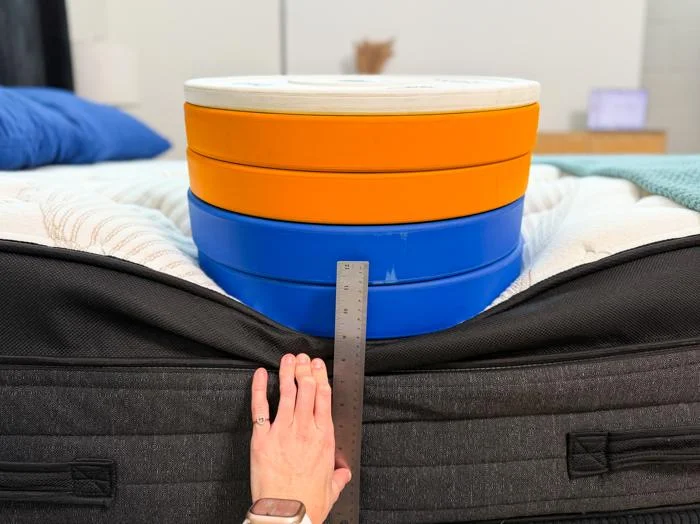
For example, if a mattress has a 600-pound capacity, that threshold assumes even weight distribution. This means two 300-pound sleepers could share the bed without jeopardizing sleep support or the bed itself. However, if one sleeper weighs 400 pounds and the other 200 pounds, this could affect the bed’s support and internal structure.
It’s best to treat weight limits as reliable only when you split the bed in two. For example, understand that a 600-pound bed essentially offers 300 pounds of support on each side.
Understanding Weight Capacity of Different Mattress Types
With some exceptions, mattress construction often reflects weight capacity.
Memory Foam

For example, memory foam mattresses that offer pressure-relieving sinkage but lack steel coils or denser foams may not provide the firm support heavyweight sleepers need. If someone weighs over 300 pounds on a memory foam mattress rated for 600 pounds, the foam will likely degrade and sag much faster than it would for a lighter person on the same bed.
Hybrid

That said, firm innerspring or hybrid mattresses will almost always be a better fit for heavyweight sleepers. This is because they use layers of high-density foam, natural latex foams (known for high durability), or sturdy, durable pocketed coils that can provide stronger support than standard all-foam beds.
Latex

Additionally, latex mattresses or firmer mattresses with hybrid or innerspring designs typically offer safer sinkage or better joint support and spinal alignment for heavier sleepers. In contrast, a super-soft memory foam mattress could leave heavyweight sleepers with worsened back pain or surrounded by foam that is trapping their body heat.
Mattress vs. Bed Frame Weight Limits
When choosing a mattress with the right weight limit, it’s also critical to consider the bed frame, box spring, or adjustable power base you’ll use with it. For context, if your mattress can support 1,000 pounds but your bed frame has a 600-pound limit, you’ve got a potential middle-of-the-night disaster in the making.
You will want a bed frame that supports more than your mattress’s recommended weight limit, meaning it should be able to support your bed’s combined sleeper weight or its maximum weight limit, plus the mattress’s weight.
So, if your mattress weighs 110 pounds (common with hybrid queen-size mattresses) and you and your partner weigh a combined 500 pounds, make sure your bed frame can hold over 610 pounds. Use this approach when choosing a bed frame, regardless of your bed’s weight limit.
I also suggest heavier-duty frames with additional central support legs or steel beams to support heavier sleepers. Weaker frames made of soft wooden slats are better for lighter sleepers. Just like online mattresses, bed frames should always display a weight capacity, especially since a collapsed bed frame could cause not just buyer’s remorse or a headache but actual injury.
Lastly, beyond ensuring your frame’s weight limit exceeds the combined weight of the mattress and those sleeping on it, you should also factor in your lifestyle. If you’re sexually active, move around a lot on your bed, or sometimes have a few extra children or pets jumping on the bed for a movie night, these would all be reasons to seek a bed frame with an even sturdier build or higher weight capacity.
Risks of Ignoring Weight Limits
I’ve highlighted some important considerations when it comes to taking mattress weight limits seriously. If you’re a heavyweight sleeper, it could hurt your sleep, cause spinal misalignment, and make moving around frustrating (e.g., sex, switching sleeping positions).
However, I should repeat that while it likely won’t happen instantly, your bed will gradually sag and lose standard comfort and support over time if you consistently exceed its weight limit. Additionally, exceeding the weight limits of your mattress and bed frame together could actually be dangerous. A bed could collapse into itself while you’re having sex, or even just while you’re deep in sleep in the middle of the night.
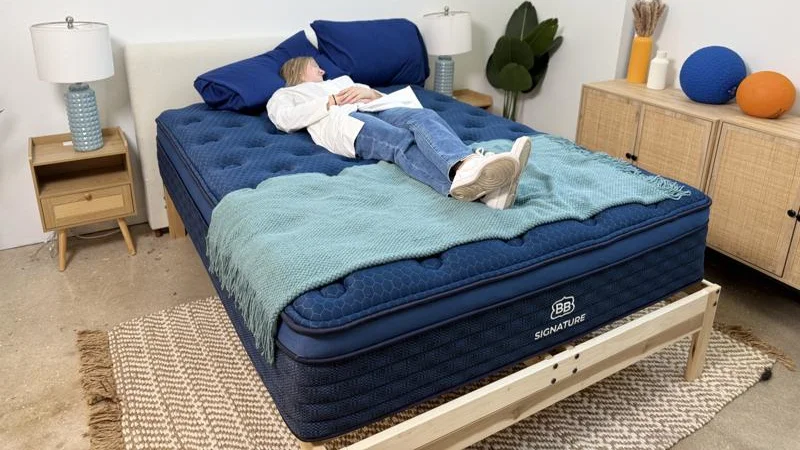
Furthermore, if you damage your bed by clearly ignoring the weight capacity, mattress companies will likely know. This could be deemed customer-caused damage, and the company isn’t liable. This almost certainly means your warranty will be voided because you ignored the weight limits. And it could even affect a shorter “no-risk” sleep trial, where a refund is refused because you damaged the mattress through your own negligence.
These consequences of ignoring weight limits will almost certainly apply to an adjustable base or bed frame as well. Keep in mind, as I’ll keep saying, you should always double-check the weight limits of your mattress and bed frame, and factor in all sleepers, loungers (kids, pets, etc.), and the bed’s weight itself before choosing the right frame.
Finding a Mattress or Bed Frame’s Weight Limits
Some cheaper mattresses with low weight limits may not advertise their limited support capacity, but I assure you, the information is there. Mattresses designed for heavyweight sleepers typically advertise their higher weight capacity more directly as a selling point, but for others, it may take a little extra research.
For online mattresses, you’ll usually find an FAQ or “specs” (specifications) section on the site that answers this question. If you can’t find it, I suggest using live chat (if the site offers it) or calling customer service if it doesn’t.
In these cases, having a record of a company representative confirming a weight capacity should not only give you assurance that you’re buying the right mattress, but also provide a referenceable transcript showing the company misrepresented a bed’s weight limit. And it’s no sure thing, but it may help with warranty or sleep-trial disputes if issues arise from accidentally exceeding the weight limit.
Whether it’s super easy or requires a little extra footwork, I want to just state clearly that you should absolutely understand your mattress or bed frame’s weight limit before clicking purchase.
Heavier Sleepers Seeking the Right Bed
As I said, mattress weight limits vary by brand and type of bed (hybrid, memory foam, innerspring). While many mattresses that specialize in supporting heavyweight sleepers may seem like a solution, weight limit isn’t the only factor when choosing a mattress. Weight limits are certainly important for safety, support, and a mattress or bed frame’s longevity, but mattress thickness, firmness level, and how you sleep matter too.
Heavier side sleepers should still choose a less firm mattress that supports their weight and contours to their sleeping position (allowing for some healthy sinkage to prevent pressure point inflammation buildup), while back sleepers should choose a firmer mattress with a suitable weight limit. Additionally, if you and your partner are seeking a bed together, your combined weight is an important consideration, but if your sleeping patterns differ, a versatile hybrid that accommodates different sleeping positions may be a great choice.
My main point is that while a bed that supports heavier weight is essential for certain body weights and sizes, you also want to match a bed’s construction and support features to your sleeping positions and lifestyle.
FAQs
What is the average weight limit for a mattress?
Average weight limits are typically 500 pounds for a generic mattress, or 250 pounds per sleeper on each side. However, the weight capacity of a mattress can also vary depending on mattress size (e.g., twin mattresses, full mattresses, queen mattresses, California king mattresses) and mattress type (hybrid, innerspring, or all-foam).
What happens if you exceed a mattress’s weight limit?
Multiple things can happen if you or your partner exceed a bed’s weight limit. First, you may experience compromised support, such as spinal misalignment from sinking too deeply into the bed’s upper or foam layers. Other potential consequences of exceeding weight limits include a reduced bed lifespan, premature sagging or compromised edge support, damage to mattress materials and components, or even causing the support frame below to collapse.
Do mattress weight limits include the weight of both sleepers?
Yes, mattress weight limits typically reflect weight that is equally distributed across the mattress’s surface. So if a mattress has a 500-pound capacity, it’s suitable for two people who weigh up to 250 pounds.
What type of mattress is best for heavier sleepers?
Firmer hybrid or innerspring mattresses tend to work best for heavier sleepers because of their steel coil systems and more durable foam components.
How can you find the weight limit of your mattress?
You can find it by reviewing a bed’s “specs” (specifications) or a product’s FAQ on its official site. You can also reach out to a company’s online live chat or customer service line for an official answer.