Can You Sleep Better With a Pillow Between Your Knees?

Written by Jessica Timmons, Contributor
Most people sleep with a pillow beneath their head. But have you tried sleeping with a pillow between your knees? If you snooze on your side, Dr. Jimmy Pajuheshfar, a physical therapist and the clinical director at FYZICAL Therapy & Balance Centers,, says putting a pillow between your legs can be a simple way to keep the hips, pelvis, and spine in a more comfortable and neutral position. That often means fewer aches and pains in the morning, and that’s not all. “A comfortable position can help promote more restful sleep,” adds Pajuheshfar.
If you’re waking up with a sore back despite a supportive mattress, sleeping with a pillow between your legs could make a big difference. Here’s who might benefit most, why you don’t need a fancy pillow to get started, and a little insight on how to make this work for you.
Editor’s Note: Please note that this article is for informational purposes only. It is not medical advice. You should see a medical professional if you have concerns about your sleep and/or health and wellness.
What Does Sleeping with a Pillow Between Your Knees Do?
“Our goal when sleeping is to keep the spine in neutral alignment, without any side bend and with the normal front-to-back curvatures,” says Dr. Catherine Darley, a naturopathic physician who treats sleep disorders. Aligning your spine helps reduce hip and lower back pain and supports overall sleep health. Tucking a pillow between your knees can help improve your sleep posture.
Without one, gravity pulls the top leg forward and down, rotating the pelvis and twisting the lower spine, creating misalignment. A pillow keeps that leg level with the hip so the pelvis stays square and the spine stays straight. The rest is handled by a supportive mattress and a good pillow. If you’re still searching for those, check out our picks of the best mattress for side sleepers and the best pillows for side sleepers.
What Are the Benefits of Sleeping With a Pillow Between Your Legs?
Here’s how sleeping with a pillow between the knees offers benefits.

Improves Alignment
For side sleepers, proper spinal alignment is the biggest benefit. Pajuheshfar says placing a pillow between the knees improves positioning and reduces unwanted joint compression. “When the knees are allowed to fall together while side sleeping, the pelvis and hips can rotate, which may place additional stress on the lower back and surrounding joints,” he explains. Sleep posture is considered a modifiable risk factor that aggravates back pain, and for side sleepers, a pillow between the knees is an easy fix.
Reduces Hip and Low Back Pain
That extra bit of support between your knees promotes better alignment of the hips and pelvis, helping reduce pressure in this area. That means more comfort for everyone, but Pajuheshfar says it can be especially helpful for people who experience arthritis or compression-related discomfort. If you’re looking for back pain relief, the best mattresses for back pain are worth considering.

Reduces Pain in the Knees
Keeping the knees from pressing directly against one another — which is usually what happens when you sleep on your side — can also minimize discomfort, particularly if you’re already dealing with sensitive knees or joint pain as a whole. A pillow adds a cushioning buffer for more comfort in the lower legs. Plus, it distributes body weight more evenly across your lower half.
May Ease Nerve Pressure
There’s another issue that can arise when your legs stack all night: direct pressure on the nerves that run down the sides of the thigh and knee. That’s one reason some people wake up with pins and needles, preg
numbness, or muscle cramps in their legs or feet. The neutral alignment side sleepers get when they place a pillow between their knees keeps space between the legs and reduces uneven twisting, taking pressure off those nerves. “This neutral alignment also allows optimal blood flow to the legs,” notes Darley.
A pillow between the knees is often recommended for people with sciatica too. The sciatic nerve runs down each leg, and it can become irritated, pinched, or compressed, which causes a range of unpleasant symptoms. Along with dullness, numbness, and pain that can stab, shoot, or radiate, sciatica can make it really hard to find a comfortable sleep position. A good mattress is key, and we have helpful recommendations for the best mattress for sciatica.
More Support and Comfort During Pregnancy
A specific group tends to find a pillow between the knees is an absolute lifesaver: pregnant women. Between hormones and ongoing body changes, pressure in the hips, pelvis, and lower back only gets worse, especially in the latter stages, and a pillow between the knees can offer much-needed relief. Darley recommends a pregnancy pillow that can also support the belly, head, and upper arm.
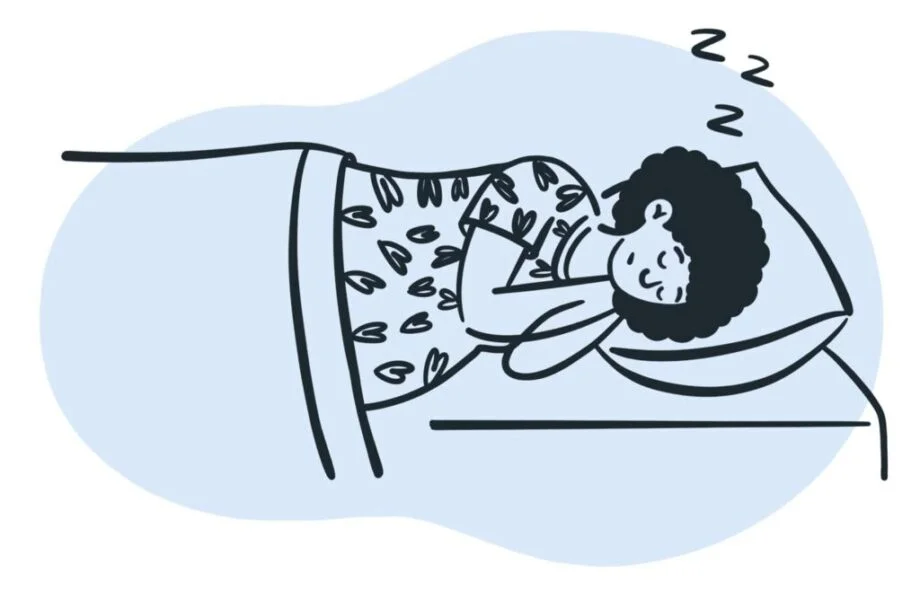
What Kinds of Sleepers Benefit Most?
Using a pillow between your knees while you snooze is best suited to certain sleep styles and conditions.
- Side sleepers are most likely to benefit from sleeping with a pillow between their legs. It keeps the upper leg supported, preventing the pelvis from rotating and reducing stress on the lower back.
- Back sleepers don’t need a pillow between their knees, but they may want to try putting one under them instead. “It can sometimes provide similar benefits by reducing stress on the lower back,” says Pajuheshfar
- Pregnant people are often advised to use a pillow between their knees. Darley says it’s especially beneficial later in pregnancy as hormones loosen the hips and pelvis.
Who Should Avoid Sleeping with a Pillow Between Their Knees?
While people are free to experiment with a pillow between their knees, it won’t work for everyone. Stomach sleepers will find there’s little benefit to this sleep trick, and you’re better served by putting a pillow under your knees, not between them, if you’re sleeping on your back.
People with serious hip or knee restrictions, those who are recovering from surgery, or anyone with a specific medical condition that affects sleep posture, such as a herniated disc, should talk to their doctor first.
“The most important rule is simple; the pillow should make you more comfortable, not less,” says Pajuheshfar. If you experience pain, numbness, tingling, excessive pressure, or sleep disruptions, he recommends adjusting the pillow’s size or position.
Tips for Getting Started with a Pillow Between Your Knees
This part is straightforward.
- Begin by lying on your side with a pillow beneath your head.
- Tuck a pillow between your knees, keeping the legs slightly bent at the hips and knees.
- Position the pillow so the top knee is level with the hip — not higher, and not lower.
- Adjust the pillow as needed to feel comfortably supported.
“Don’t worry if you move the pillow or lose it during the night,” says Pajuheshfar. “The goal is better sleep, not maintaining a perfect position all night.”
How to Choose a Knee Pillow
While there are knee pillows specifically designed for this purpose, regular pillows can get the job done nicely. Darley advises a pillow that’s tall enough to support neutral alignment, so try out a few options to see what keeps your hips comfortably square.
The goal, says Pajuheshfar, is to support the top leg without forcing the hips too far apart. For that, the pillow should be thick enough to keep the knees comfortably separated while allowing your hips and spine to stay neutral. “Balance the loft so that it is soft enough to be comfortable, yet firm enough to provide the support you need,” advises Darley.
A longer pillow, like a queen- or king-size pillow or even a body pillow, can offer support from the knee to the ankle, which can be especially comfortable.
Be mindful about materials, too. “People sleep better when they’re cool, so choose a material that breathes well, like cotton or wool,” Darley says. Down is an insulating material, but it can work if overheating isn’t an issue. Memory foam holds its shape well but can trap heat, so consider pairing it with a cooling pillow cover.
The Bottom Line
Sleeping with a pillow between your legs is a small change for a side sleeper, but it can have a big payoff. The alignment shift that comes from keeping the hips and pelvis square can mean a host of benefits, from less morning back or hip pain to less pressure on the nerves. People who are pregnant or navigating sciatic pain often feel the difference most.
“This is a habit worth developing, although it may take a couple weeks to get accustomed to,” says Darley. You don’t need a specialty knee pillow to try it, either. Here’s the real test: does the pillow add comfort? If so, it’s probably adding to your sleep quality, too.
Sources
- Cary, Doug et al. Identifying relationships between sleep posture and non-specific spinal symptoms in adults: A scoping review. (2019). https://pmc.ncbi.nlm.nih.gov/articles/PMC6609073/
- Pregnancy: Correct Posture & Body Mechanics. (2018). https://my.clevelandclinic.org/health/articles/6913-pregnancy-correct-posture–body-mechanics