How to Cool Down a Memory Foam Mattress

Written by Jessica Timmons, Contributor
For some people, there’s nothing better than being hugged by a memory foam at the end of a long day. But for all its pressure-relieving, weight-distributing benefits, the material can leave some feeling hot under their (pajama) collar.
Memory foam is a dense material that contours closely to the body, and that’s exactly the scenario that tends to create a stuffy, clammy microclimate — even for those who don’t typically sleep hot. Here’s the good news: you don’t have to choose between your beloved memory foam mattress and its outstanding pressure relief or cooler nights. Below, we’re sharing actionable tips for how to make a memory foam mattress cooler.
What Makes Memory Foam So Hot?
Memory foam is a synthetic material called viscoelastic polyurethane. It responds to heat and pressure, slowly molding around the body’s curves. That action helps distribute body weight and eases pressure-point pain, which are the material’s standout traits.

On the other hand, memory foam is incredibly dense, so there’s no room for air to circulate through the material. Even hybrid mattresses that pair a memory foam comfort layer with an innerspring layer tend to trap more heat. And because memory foam mattresses can hug the body so closely, air doesn’t move freely between a sleeper and the bed, either.
To combat this heat-retaining habit, many mattress brands infuse memory foam with materials like gel, graphite, or copper. These materials have cooling and moisture-wicking properties that are mixed directly into the memory foam during processing. The infusions don’t completely prevent overheating, but they can help delay and minimize it.
Another trick is to engineer memory foam during the manufacturing process so that it’s full of tiny holes. Known as an open-cell structure, it creates more space for air to move. That kind of circulation helps reduce overheating by giving body heat room to escape.
How to Cool Down A Memory Foam Mattress
Even with cooling infusions and open-cell technology, hot sleepers may find that memory foam still sleeps warm. In that case, here’s what can be done to sleep cooler.
Manage the Ambient Temperature
Since memory foam is a natural insulator, a good place to start is by keeping the bedroom cooler. Keeping the room temperature lower means the mattress starts from a lower baseline, leading to slower heat buildup. While a cooler bedroom doesn’t change memory foam’s dense nature and propensity for heat retention, it can still be an effective strategy.
Sleep experts recommend a bedroom temperature between 60 and 65 degrees Fahrenheit for optimal sleep quality. But just like the best mattress, everyone has their own opinion about what’s comfortable. Research shows that internal body temperature is variable, so you might fluctuate by a few degrees up or down from the recommended range.
Depending on where you live and the time of year, you may only need to crack a window to keep the bedroom a comfortable sleeping temperature. Running a fan can also do the trick — circulating air doesn’t lower the temperature in the room, but the movement of air across your skin can make you feel cooler.
If all else fails, consider running your air conditioner or adjusting the thermostat to maintain a cooler bedroom temperature.
Add Breathable or Cooling Sheets
Your bed sheets can go a long way in keeping you warm — or cool. Materials and thread count mean different fabrics can hold onto body heat or allow it to escape. The thread count refers to the number of threads per square inch of fabric. The lower the number, the looser the weave, and the more lightweight and breathable the material.
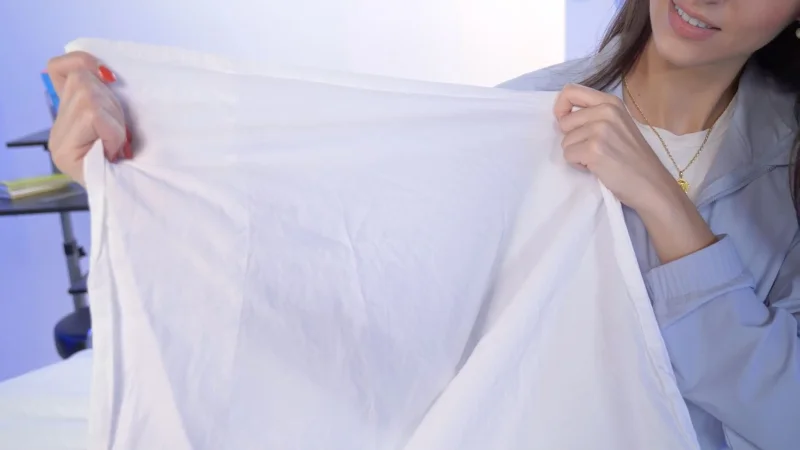
The best cooling sheets often include natural fibers like cotton and linen in a loose percale weave, typically with a thread count of around 300, which makes them feel crisp, cool, and lightweight. Materials derived from bamboo or eucalyptus also work well, offering breathability and a cool-to-the-touch feel, while also helping to wick away moisture. Breathable bedding also allows air to circulate, which helps you feel more comfortable on a memory foam mattress.
Use a Cooling Mattress Topper
When sheets alone don’t do the trick, a cooling mattress topper might be a good solution. These products are designed to go directly over an existing mattress to improve your sleep temperature, and, depending on their construction and height, they can also provide comfort changes.
Many cooling toppers are made with memory foam and infused with gels, but stacking a dense layer of memory foam atop a dense memory foam mattress may not be the best solution if you’re a hot, sweaty sleeper. In that case, a mattress topper made with natural latex could be a good choice.
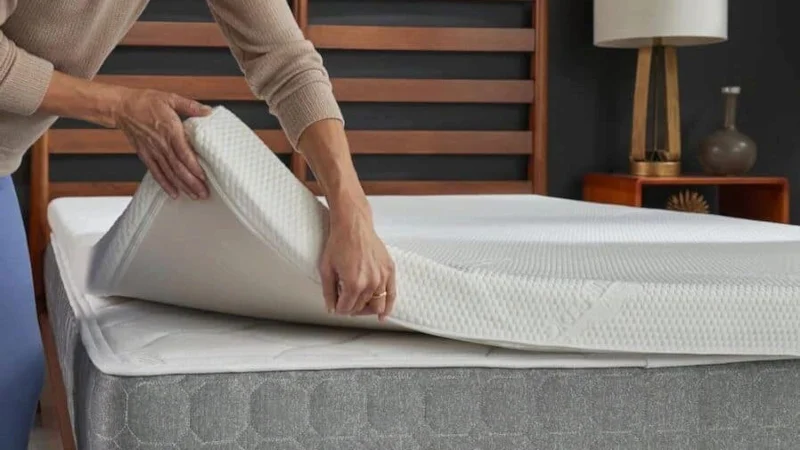
Latex has pressure-relieving benefits similar to memory foam, but it doesn’t trap heat. But it has a more lifted, buoyant sensation than memory foam, which is worth keeping in mind if you really love that contouring feel. If you’re considering feathers, remember that down is an impressive insulator — a fluffy down topper is likely to make a hot bed hotter.
A cooling mattress pad is an alternative that helps maintain the feel of your memory foam mattress while reducing heat retention. A wool pad creates a thin buffer between you and the bed, and wool is naturally breathable, offering both moisture management and temperature regulation, so it’s a great option for hot sleepers.
Swap to a Cooling Pillow or Comforter
Bedding staples like your pillow and comforter can also contribute to overheating, especially on a memory foam mattress. Down pillows are luxurious, but the material traps heat and doesn’t wick moisture, which can leave your head and neck feeling hot and sweaty. The same goes for that fluffy down comforter — it feels airy, but heat builds quickly below it, and that only gets worse if you’re also retaining heat from below.
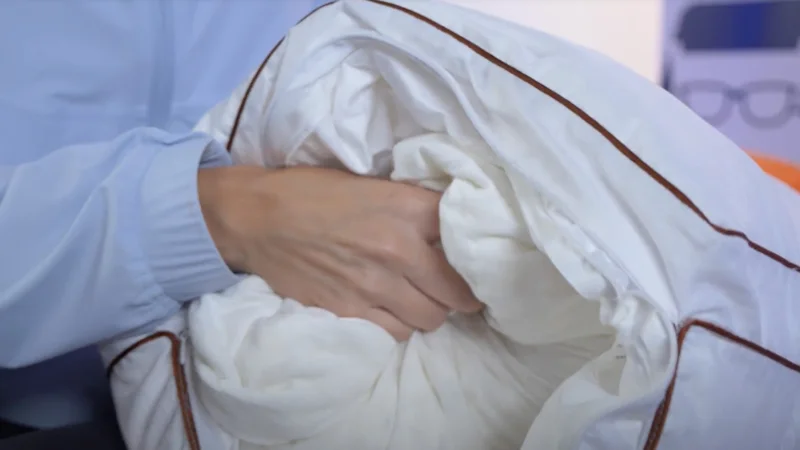
The best cooling pillows and comforters are filled with materials like wool or engineered fibers to regulate temperature and promote air circulation. Paired with a lightweight cover, often made of cotton, helps keep overheating at bay.
Try Cooling Pajamas Or Sleep Naked
This strategy works along the same lines as cooling sheets. Sleepwear made from naturally breathable, moisture-wicking materials, such as cotton or TENCEL lyocell fibers from eucalyptus, can help you feel a little cooler. Look for lightweight sets that pair tank tops with shorts instead of long sleeves and pants. Sleeping naked is another option, especially if you upgraded to cooling sheets or a cooling mattress topper.
Signs It’s Time to Replace Your Memory Foam Mattress
For truly hot sleepers, even memory foam mattresses made with open-cell foam and cooling gel may still hold onto too much heat — even with the strategies we’ve outlined here. If you’ve tried different ways to sleep cooler and haven’t noticed an improvement, these are the signs that the issue is the bed itself:
- You wake up sweating at least several times a week, even when the bedroom temperature falls into the ideal range.
- You have a cooling topper and a cooling pad, and you still experience that sinking (and sweltering) feeling an hour or two after going to bed.
- There’s a noticeable hot spot beneath you that takes a few minutes to cool down after you roll over.
- Your mattress is seven or eight years old. Memory foam softens with age, so you sink in quickly after lying down.
- You share your bed with a partner or a pet (or both). More bodies means more body heat.
If any of this sounds familiar, it’s worth considering the upgrade to a new cooling mattress.
What to Look for in a Cooling Mattress
There are lots of beds designed specifically for cooling comfort. Here’s what to prioritize.
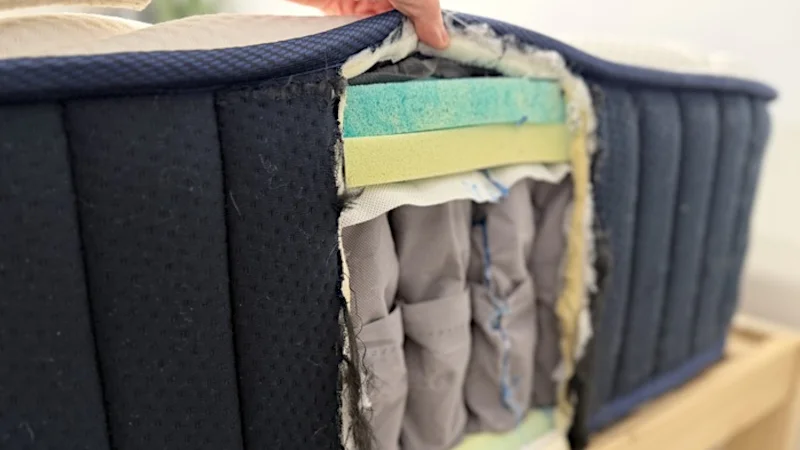
Look for hybrid or innerspring models. The open space built into the coil layers promotes airflow, so air has room to move through the bed rather than getting trapped. Just remember that a very thick comfort layer above can negate the benefits of that circulation.
Breathable comfort layers. Breathable materials such as wool, cotton, and latex manage heat and moisture better than memory foam. Keep in mind that with a latex mattress, the trade-off is less of a contouring sensation.
Cooling technology. Phase change materials absorb, store, and release heat as your body temperature shifts overnight, which can help smooth out the disruptions that wake you. Gel, graphite, and copper infusions help too, but they usually work best in a model that’s also designed for airflow.
A generous sleep trial. It’s really hard to judge how cool a mattress will be when you’re shopping online, and a 100-night trial (or longer) gives you plenty of time to judge the bed across different bedroom conditions.
The Bottom Line
Traditional memory foam mattresses have their appeal, but they’re notorious for holding onto heat. It’s normal for body temperature to fluctuate at night, and memory foam can interfere with these natural changes, which can be disruptive to restful sleep. You may be able to address your bed’s temperature control and ventilation limitations with strategies like a latex mattress topper, linen sheets, a wool comforter, or a lower ambient temperature. Those are worth exploring before you decide the best solution is a cooler mattress.
References
- Harding, Edward C., Franks, Nicolas P., Wisden, William. The Temperature Dependence of Sleep. Frontiers in Neuroscience. April 2019.
- Obermeyer, Ziad., Smara, Jasmeet K., Mullainathan, Sendhil. Individual differences in normal body temperature: longitudinal big data analysis of patient records. National Library of Medicine. December 2017.